UI/UX with Figma
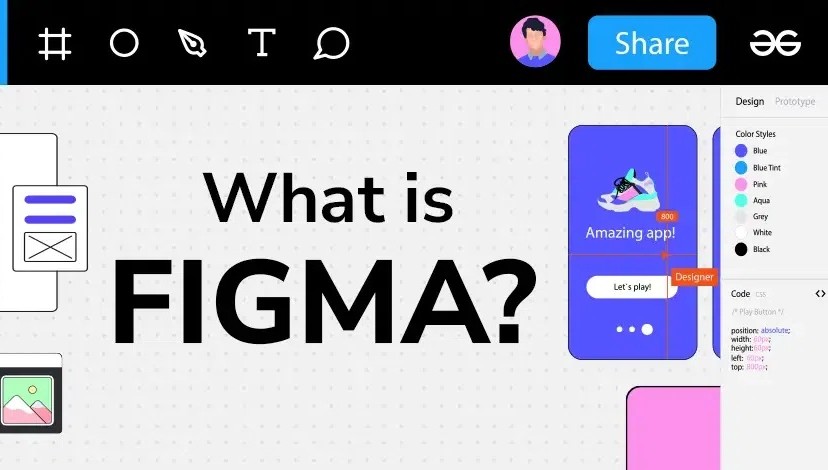
Figma is the industry-standard, browser-based tool for UI/UX design, enabling teams to wireframe, prototype, collaborate, and hand off designs to developers. It is built for a seamless, end-to-end design workflow without requiring separate software.
UI/UX in Figma is the end-to-end process of designing the look, feel, and functionality of digital products using a cloud-based design platform. It allows designers to map out user journeys, build interactive mockups, and collaborate with developers all within a single application.
The process begins with user experience design, which focuses entirely on how the product feels and functions. Designers use Figma to create rough, low-fidelity wireframes that plan screen layouts and map out the exact steps a user takes to complete a task. They then link these static screens together using interactive transitions to build a clickable prototype that mimics a real app or website.
Next comes user interface design, which dictates how the final product actually looks. Designers apply specific colors, typography, spacing, and imagery to transform those basic wireframes into pixel-perfect, high-fidelity mockups. Within Figma, they also build comprehensive design systems, which are reusable libraries of buttons, icons, and menus that ensure absolute visual consistency across a project.
Finally, Figma serves as the ultimate bridge for collaboration and the developer handoff. Multiple designers, stakeholders, and product managers can jump into the exact same file to co-edit and leave feedback in real time. Once the designs are ready, engineers can inspect the project directly to extract exact measurements, grab necessary CSS code snippets, and export visual assets for coding.
Tutor

BAH Clarkson
Graphic Designer
OUR GALLERY